Early Recovery: What is Your Role?
Yesterday I had a conversation with a new friend who knows someone newly in recovery. The alcoholic, sober six months, has asked my friend for a letter of recommendation. He needs this because he was terminated from his prior position for behaving badly while an active alcoholic. It is not entirely clear to me if his termination was in part explicitly due to drinking on the job (I think not), or if it was merely the result of the fruits of that tree (inappropriate behavior). Regardless, the dismissal happened, and alcoholism was in no small part a factor.
However, this alcoholic remains unwilling to allow future employers to be made aware of his condition, which my new friend feels might mitigate some of the negativity associated with his prior dismissal. Alcoholics in recovery are just like regular people, right? If the problem is addressed, then a new employer shouldn’t hold prior bad acts against an alcoholic, right? Or at least should consider the change in risk associated with recovery?
Well, maybe. That’s a question for another day. Today, I want to address what the roles of friends and family are when an alcoholic is in early recovery like this man is. First of all, six months is not a long time in recovery. Huge numbers of alcoholics flame out in the first year. Something like half of people who attempt abstinence fail in the first 30 days, and half of the remaining fail in the next 335. And that’s guessing generously. Far fewer than 25% of people who show up to AA one time are sober a year later.
Of course, far more people show up to AA once than have any intention of getting sober, and AA only works for people who are open, willing, and honest with themselves. But it is perfectly reasonable to be suspicious of six months of sobriety. Obviously, everyone’s experience is different, and the kind of program the person is working matters more than anything else, but at the population level, six months of sobriety does not necessarily instill confidence that a permanent change has taken place. But whether an alcoholic’s recovery is permanent or not is not for anyone to judge. We simply can’t know. Not even we alcoholics can know.
So, what is the answer to my friend’s question? Should the letter be written? And under what rules?
My answer to this is that each of us has the right to dictate our own involvement and preserve our autonomy. The alcoholic’s wish, that his condition not be reported to his new prospective employer, should be honored. If, that is, my friend chooses to write the letter at all. My friend has the right, completely and unambiguously, to say, “I would be willing to write the letter if I can be completely unfettered with regard to content. I am not willing to write a censored or expurgated letter. If you can accept that, then I will write the letter. If not, then I am not the person to write a letter for you.”
That is, we cannot control how anyone else behaves, and we can’t control how they feel or the (in our view) mistakes they make. We only get to decide what we can live with, and if we will participate in their designs or not. If my friend feels that the alcoholic is making a bad decision by not revealing the underlying cause of the behavior leading to his dismissal, then that’s as it is. People are free to make bad decisions. My friend can only decide how to engage, and guidelines under which a letter might be written.
Alcoholism has direct effects on people who don’t have it. In a way that is different from many other diseases. It wraps people up in codependencies that are toxic for everyone involved. And so friends and family of alcoholics often need their own recovery. They often need to understand how they’ve been seduced into enabling or reactivity. They may fear (even correctly!) that the alcoholic will die or suffer without their engagement.
Here is the truth: you have the right to let us suffer and die. You have the right to abandon us even in sobriety. You have the right to set boundaries and enforce them. In fact, I believe that doing these things helps us far more than enabling and engagement. Enabling us may help us stay clothed and housed and drunk. It may help us financially or medically. But it can also simply prolong a terrible death. Or buttress our own self-arranged misery. Even in sobriety, many of us choose the path of misery.
What is the role of the friends of alcoholics, when they enter early sobriety? Be supportive. Be compassionate. Be skeptical. And decide where your boundaries are. Stand by them. And if you are really close to an alcoholic, whether they are in recovery or not, consider a support group, like Alanon, for the friends and relatives of alcoholics. We visit misery on so many. Sometimes, some of us recover, and repair or attempt to repair the harms we’ve done. If you want to participate in that process, that’s wonderful. But you are not obliged to. You do not owe us anything.
Collecting Experiences
Is the market truly choked with addiction memoirs? Can I cram one more salty snack into America’s slack-jawed gullet? I want to write a book. I want to write a book the same way I want to write a symphony. It’s not so much that I want to share something so much. It’s that I want, at the end of my life, to look back and be able to reflect on the experience of writing a book, and a symphony. Apparently, in the symphony’s case, I want it enough to write two-and-a-half movements. I wonder if I’d have the wherewithal to actually finish a book. Or if I’d end up with a half-finished block of paper.
When I write here, I sit down and write, generally with no agenda, and with little concern for quantity or quality. There’s no editing. There’s no investment. If what I write isn’t any good, well, it’s gone in a few days, down the memory hole. Sure, it’s still there to find for someone with some interest and intent, but for the most part, with the exception of a few posts of lingering interest, once something is off the front page, it’s gone forever.
And of course, books are the same way. It’s a rare exception that a book is of any interest longer than a few years, at the most. I have no illusions that I could end up writing a major work of lasting interest. Just like I have no hope of writing a great symphony that would be performed, well, ever. What I want is the experience. I’m a collector. I want to have had the experience of creating these things.
I wonder sometimes if I don’t look at my career the same way. I collect things. I collected degrees. I’ve now had the experience of publishing in reasonably well-respected academic journals. Of writing and being principal investigator of federal grants. Of conceiving science from idea to grant-writing to funding to research to result to publication. I’ve worked for famous institutions and been praised for my efforts there. I’m happy with that. Maybe soon it will be time for me to look for new experiences to collect, professionally.
I travel much the same way, collecting new countries. For the first time in a long time, my last (England), and next few trips will be to places I’ve been before. BB and I are going to return to Bermuda for a short vacation later this year. For our big trip next spring, we’re thinking of Europe. There aren’t many countries in Europe I haven’t been to. And I’m excited to go back, because it’s exciting to see things through new eyes, and because there is so much of so many countries that I haven’t seen, even if I have set foot to soil before.
So I want to write a book. I wonder if I will. I wonder what it would be about. There’s something so peculiar about trying to take a whole world of narrative and experience and inscribe it onto paper, where it can be neatly contained in strangely aperiodic inscriptions. Closed up and forgotten. A massive experience, translated to carefully arranged, dried-up pools of ink on a film of dead, pulverized cellulose.
But I don’t know how to write a book. And I don’t know how to sell one. Just like I don’t know much about symphonies. Chances are, my life’s published output will be a few dozen pages of journal articles. Which is great! I’m proud of those. But sometimes I think I’d like to write a book that people would read for the pleasure of reading, instead of to figure out how to improve their hospital.
Missteps.
I have opinions on things. They’re often not particularly well-informed. I have gut feelings that I often run with. On a regular basis I find that they lead me to cul-de-sacs where I am trying to defend a position I no longer believe in. I usually speak before thinking. I usually think before listening. I put the process of developing my opinions backwards. The result is something unformed and poorly constructed.
I get excited about things. I move too quickly and ignore reservations and bad feelings. That’s how I ended up with a house with horrible plumbing problems. I didn’t feel right but I ploughed ahead because I was excited unaccountably. It’s happened many times in my life: I decide I want something, I go forward and invest in it, and end up with something I wouldn’t have gotten if I’d studied before acting. This has cost me money and time and effort repeatedly in my life.
I like to feel important. It’s a failing of mine. I want people to admire me and my work and my efforts, and not challenge me too strenuously. Whenever I make a step forward, I want to feel like it will get me more recognition and respect. When it doesn’t, I feel sullen and ignored. I’m always excited when I publish a new paper that I’ll get lots of citations and be vaulted to a place of prominence in my field. It hasn’t happened. When I started my expressly academic blog over at Scientopia I fantasized it would lead to immediate prominence as a science blogger. Of course that’s absurd – but fantasy doesn’t respond to realism.
I’m still me. I’m still just a mediocre engineer toiling away doing useful-but-uninspiring work. And that’s fine. I’m happy to be that guy. I’m good at being that guy. What I struggle with is knowing what’s appropriate ambition and what’s stupid fantasy of personal glory. I will do better without personal glory.
Personal glory is often toxic to alcoholics. As we see ourselves profiting from our own efforts, we start to believe we control our destinies. When we feel in charge, in control, invulnerable, we start to make decisions on our own. We alcoholics are not good at making decisions. We tend to decide to do deplorable destructive things to ourselves and others. When we try to operate in the world under our own power and process, we end up drunk, and dying.
I’m grateful that I have a framework for my life now. I’m glad I don’t have to keep relying on my own wretched insight and opinion. I’m glad I don’t have to be a warrior. I’m glad I don’t have to try to insist that my opinion is the only opinion. It’s exhausting to have to be right all the time. It’s exhausting to need to have others embrace my rightness. I spent so long fighting. I’m so grateful to be done.
I still advance too many opinions. The right thing for me to do would be to simply follow the advice in the book Alcoholics Anonymous: “We have ceased fighting anyone and anything.”, and “We have no opinion on outside issues.” It would be better for me, for my serenity and my development, to simply abandon the pretense that my ideas – about anything – are important enough to try to promulgate them. That is vanity, and I am vain.
I don’t have much of relevance to say about academia. I’m not a real academic. I don’t have much of relevance to say about the culture wars. I’ve never been marginalized. I really only know three things well enough to talk about them with any kind of impact: complex systems, health care delivery, and alcoholism. Beyond that, all I can do is bray.
Masculinity, Sensitivity, and Second Wave Privilege.
I am frankly daunted even beginning to write about this topic. Sometimes I feel like it is audacity, these days, to suggest that masculinity has intrinsic value. Indeed, every time I write about masculinity my elder sister asks how anything I write is unique to maleness, and separate from simple adulthood. I don’t know that I have a better answer today than I ever have before. Certain aspects of my self, and of the male personages I admire as an adult man working his way through the world feel masculine to me, in a way that is apparently inexpressibly male. Maleness is different from femaleness in ways that I am unqualified to distinguish empirically, but perfectly capable of identifying in practice. I fall onto the capable rhetoric of Potter Stewart: I know it when I see it.
Oddly though, we collectively seem to have no difficulty identifying those negative characteristics of maleness we’d like to correct. Pointless aggression. Sexual malfeasances. Patriarchal power systems. Ruthlessness. The things that we abjure as toxic and rancid. I wish we knew as much about the male character that we would like to foster and support. I hear a great deal about what not to do as a man. I hear far less about how to embrace productive masculinity.
When I do hear about it, it is often presented as if it is a new concept: a new way to be a man, divorced from our vicious and rapacious history. I don’t believe that masculinity has ever been unrelentingly toxic. I think that there are and have been great examples of positive masculinity throughout history, and I believe good men are more common than bad ones. I also believe that while we have come far, in the west, toward better justice, we have much farther still to go. I believe that cultural changes are massively complex – the gears of a cultural machine grind slow but finely – and that they begin with individuals changing themselves.
And of course, nothing I write about men here should be taken to imply that women are or are not similar/different. I have less to write about how women are, because I’ve never been one. Because others know more and write better on the topic. And because the point of this essay is to try to explore masculinity in and of itself, rather than as a reaction, a reflection, or a complement to femininity (whatever that might mean in its many different incarnations).
I spent a long time feeling like a lost boy. I had no male role models. My father left long before my own maleness bloomed within me, and the men in near proximity to me while mine did were either predators or baffled in their own rights. I was raised by a single mother. I had two sisters and a much younger brother. I remember being passionately lonely for a man to teach me how to be a man. I went through a phase in junior high school during which, when I saw a sports hero or actor do something impressive or admirable, I would say, “Dude, that guy’s my dad.”
I feared my sexual urges enormously, so I repressed them. The structure and balance I needed, unprovided by a father, I found in the church. I became very religious, seeking some way of explaining a world I couldn’t confront without anger or confusion. I think we all have anger and confusion as we grow into our engagement with the world. With no effective father, I was left without answers for the young man emerging. I dreamed of joining the military, which I believed to be a place where men congregated to be men, with structure and discipline.
Instead, I retreated from the world. I collapsed emotionally, believing that men suffered in silence and stoic resolve. To be a man meant ploughing whatever trench must next be excavated to endure in the world another dread day. The harder the path, the greater the man who ground his way along it. I saw masculinity as exclusively a response to adversity. Toil in misery. And yet, I did not toil. I shrank into sedentism and alcohol and doughy, blank, insignificance.
It took women to set me on my path to being a man. First, it took a woman I desired recognizing that within me was something small and hurting. It took her willingness to see that, and to offer me something that she could give me, rather than the thing I wanted, which she could not. She gave me a phone number for a therapist. Another woman. Brilliant and penetrating. And for many thankless years, this woman endured my childish agonies while slowly guiding me into a place where I could embrace my own masculinity, in my own time. It took my sisters, relentlessly correcting my childishness and proto-masculine posturing.
And of course, it took my mother. I could fill books about my mother, and she frankly deserves a book or two. She used to say, “I have always been a better father than a mother.” I don’t really know what that means. I think she means it because her own father was an imperious magister, while her mother was a drunken and vicious harpy. She idolized her father, and the tales of my grandfather’s glories remain the puffed-up stuff of legend in my family. But my mother was ambitious and incredibly gifted. She captained the family, provider and nurturer (such as it was) both, and showed me what personal and professional success looked like. As well as showing me innumerable and specific things I wanted never to be.
I am privileged in many, many ways. Born white, and male, and healthy, and wealthy, I have not suffered much that wasn’t related to my mental illnesses. And I have recovered from those illnesses, I am sure, in no small part because I had resources and benefits that people with lower levels of privilege do not have. I recognize all that and I’m grateful for it. But I also have a kind of second-wave privilege. I was raised by an educated and successful woman. She was always in charge, and she set me onto a path of success in life. My sisters provided me with up-close examples of women navigating the same course. I have, as a result, never felt threatened by women with authority. That is its own privilege today. I have less railing with the future to do than many men who are not comfortable with a society that embraces equity.
I think that many men fear that as the world adopts a fairer structure, and embraces new paths and identities for women, that we will lose opportunity and authority and privilege. And we may, collectively. And that’s quite alright. There’s nothing about being male that means we must also be in charge. But as the world changes, we do not need to lose our internal essences. We do not need to abandon that which makes us feel like men.
In Alcoholics Anonymous, I have learned more about productive masculinity than ever before. Men helping men. Men being open and honest about struggles. Men showing what it means to trudge those difficult roads and dig those awful trenches. But not in isolation. Not alone. Men among men, shouldering loads together. Discovering that most of the burdens we bear we do so from choice. That we can band together to achieve what we cannot accomplish alone. That we can be sensitive to our needs and feelings and still admire each other’s strength and courage.
I drive forward in life. But I can now recognize that sometimes moving forward in the long game means relenting, stepping back, and finding a new way. I want to achieve things, personally, that bring me praise and reward. But garnering those while holding back anyone else invalidates the pleasure I get from it. I no longer fear my own masculine nature, and I don’t despise my ambition and my aggression. But I temper personal satisfaction in order to have others in my life willing to share it.
What I once thought was masculinity was a horrible mixture of selfishness, depression, self-loathing, tantrum, gluttony, and avarice. Today I understand it in a new way. Ambition, introspection, desire, courage, and resolve. These are positive things – no, not exclusive to men in any way – that I nevertheless experience, in myself and in other men, in a way that allows me to embrace my own masculinity in a way that attempts to enrich others, not degrade them. In a way that aspires to use the assets of manhood to improve my community, my relationships, and yes, my self.
How men, in aggregate, behave has to change. But there is nothing about masculinity, of itself, that needs be domineering or arrogant or rapacious. We can be men, and be good stewards.
Trapped in the Past. Choosing to Move On.
I had a conversation yesterday with someone I care deeply about who is making bad professional choices, I think. Choices rooting in feeling disrespected that are seemingly guaranteed to ensure that the person ends up in future positions where they will again feel disrespected. And the cycle repeats. There’s a deep mistrust of anyone with authority that verges, sometimes, on paranoia. And this person comes by it honestly. As a child, people who should have done better treated this person very badly. Nevertheless, those same people placed my friend in a position of high privilege. Which my friend seems intent on squandering.
It makes me sad. But I recognize there’s nothing I can do about it. I know what it’s like to be resentful and angry. I know what it’s like to have that rage in constant boil underneath. I know the toxicity and feedback loops of depression and self-sabotage. I’ve participated in all of them. I’ve deliberately fueled them with alcohol and arrogance. I’ve chosen to hurt myself – emotionally, physically, psychically, professionally – rather than to risk healing. And yes, healing is a risk. I’m still not entirely sure how to properly communicate it.
Healing means accepting what has happened to us. It means finding out own part in it. It means taking responsibility for the ways we’ve chosen to participate in our own misfortunes. It means abandoning fantasies of revenge and restitution. Injuries occurred. They cannot be undone. We cannot be restored to whatever state we might have inhabited if those harms had never happened. What ever state we imagine we might inhabit. Healing means giving up things which often comfort us.
As a child, I was the victim of disruptive upheavals. Cruelties. Abandonment. As a young man, I suffered from mental illnesses. These are real injuries that I did not deserve to suffer. But they came upon me regardless. Some perpetrated by people, some by genetics. They are facts. Healing does not mean I have to deny them.
I spent several years in open indulgence of these injustices. I was mistreated and depressed. I didn’t deserve what happened to me. And so I used them to excuse my own indolence. My failure to advance in my education and my life. I sat on my own privilege, which allowed me to refuse to work. To refuse to fit in. And I was miserably unhappy, and constantly angry. I sabotaged the things that I most wanted in the world: affection, family, connection. Over and again I made choices that – though I couldn’t see it at the time – undermined the incredible opportunities my talents and my privileges had afforded me.
I know that will alone cannot conquer depression. It did not conquer mine. I know even better that will alone cannot conquer alcoholism. Every effort of will I made at those black gates was crushed like an orange under a train. Similarly, I think that will cannot overcome the miseries of the past, the injustices we’ve suffered; I, at least, could not simply choose to forget or ignore the many ways I’d been made a victim of other people’s acts and negligences. It is my opinion that fighting these things leads only to more anger, and more misery.
But that doesn’t mean we have to give up hope for healing. I think first and foremost, we need – I needed – to recognize that healing hurts. I went through more pain in the healing process than I did from the initial insults when it came to things like my parent’s divorce, my father’s abandonment. As a child, I instinctually repressed pain to survive. As a young man, I drank to obliterate it. As an adult, I had to experience every agonizing moment of it in order to move through it.
While force of will was insufficient for me to confront and conquer the challenges I found myself facing, surrender and acceptance allowed me to release them. While I fought the old injuries, I found myself bound to them, intimately. A battle at close quarters; constant entanglement. This is true for me for both depression and alcoholism. This is true for me for my primordial anguish as well. As long as I choose to struggle, I choose to remain cloaked in the origin of my pain and rage and indignance.
And while will cannot relieve me of these challenges, willingness is required. I must be willing to look at my own struggle and effort in a new way. I must be willing to see that battling, resentment, indignation, and righteousness – no matter how well justified – are binding me inexorably to the things that I most wish to be free of. I must be willing to abandon my desire for revenge (usually cloaked in some magisterial costume of “justice”), and look instead to the ways that I ensure I am not making the progress I want to make.
People and things outside my control harmed me, and badly so, once. I spent a couple of decades in simmering resentment, and hatred, and righteous rage for how I’d been done so wrongly. The sickness of that eventually overwhelmed me. I had to lose a lot of things I cared about before it did. But finally, the sickness became unendurable in its own. I became willing to try a new way. A way of relenting. A way of releasing.
There are battles to be fought in this world. And some of them I will stand in and fight for. But I cannot fight myself any longer. And that’s what we do, I think, when we remain entangled in our pasts. Wrestling phantoms with our own faces. I cannot fight my disease. I cannot fight my history. I do not close the door on my past. It informs my present, it informs my self. I chose for a long time to carry a burden that was never really mine. And letting it down was agony. But I walk upright now.
Evidence Based Medicine.
Over at Complex Roots, I’m discussing evidence-based medicine, the conference I went to, and the inestimable @trishgreenhalgh.
Returned from England.
Well, all good things come to an end, and I have returned from a gloriously sunny and sweet working vacation in London town. I spent six nights in England, including one in Reading with some dear friends and their two utterly adorable children. The conference was fascinating, and I met some very cool health services researchers doing fascinating work, including the inestimable Dr. Trish Greenhalgh, who is doing wonderful things making sure that evidence-based medicine doesn’t jump the shark.
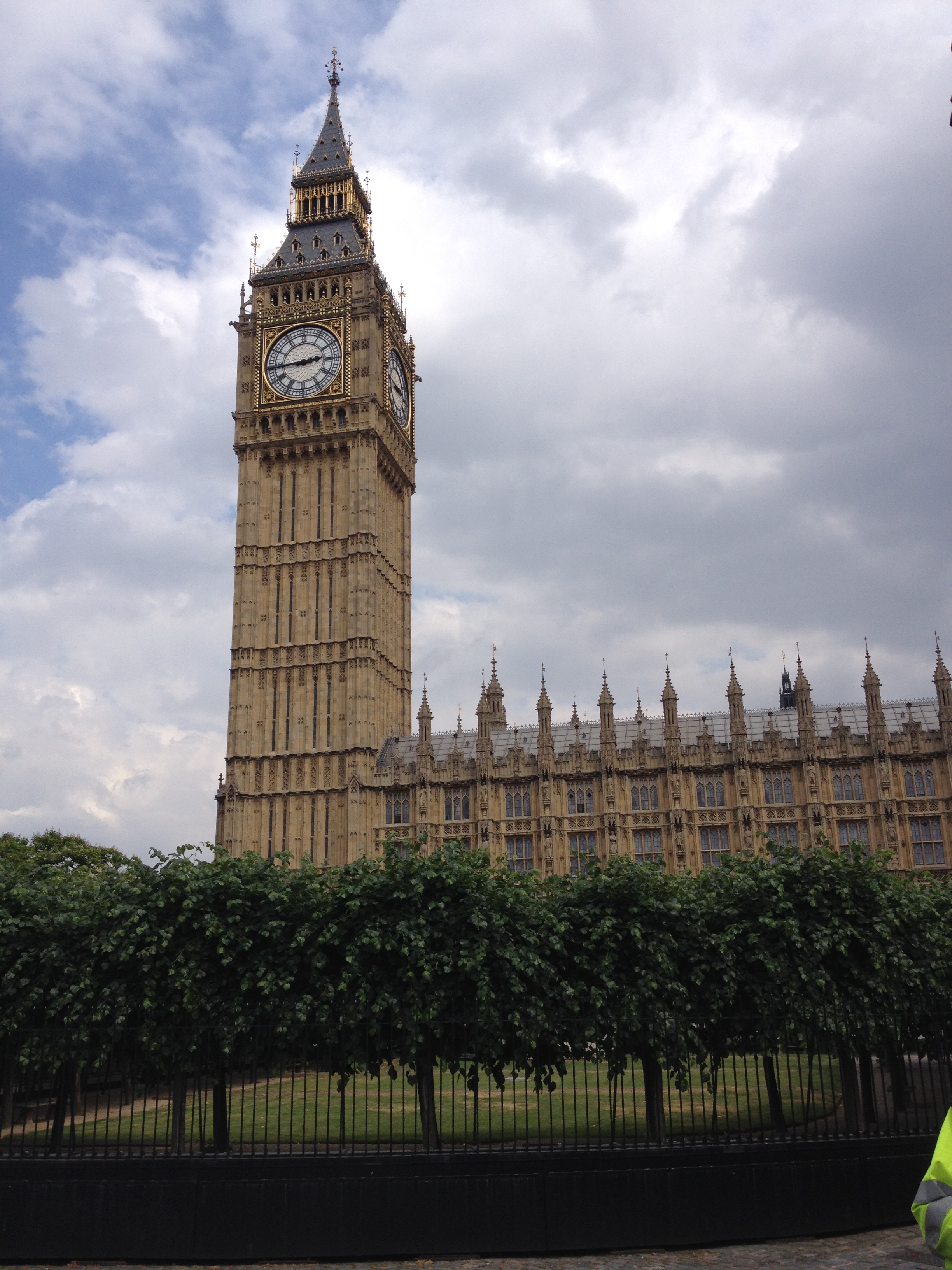
I also go a lot of wandering in. The only thing more difficult than figuring out the London streets is figuring out the London Underground. So I walked everywhere and got good and lost several times and saw some simply wonderful stuff. Like Big Ben.
And Westminster Abbey.

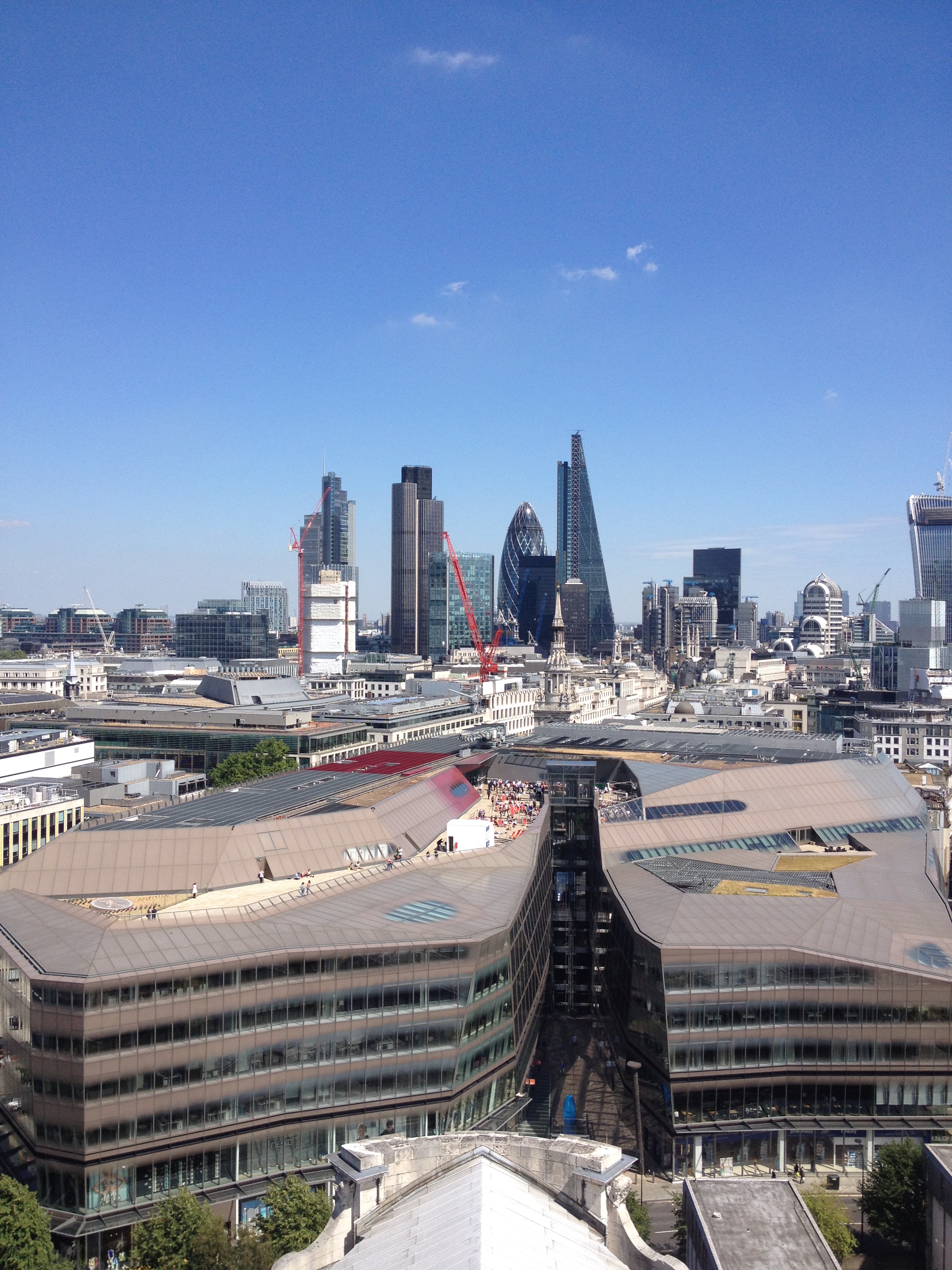
And London from St. Paul’s Stone Gallery.
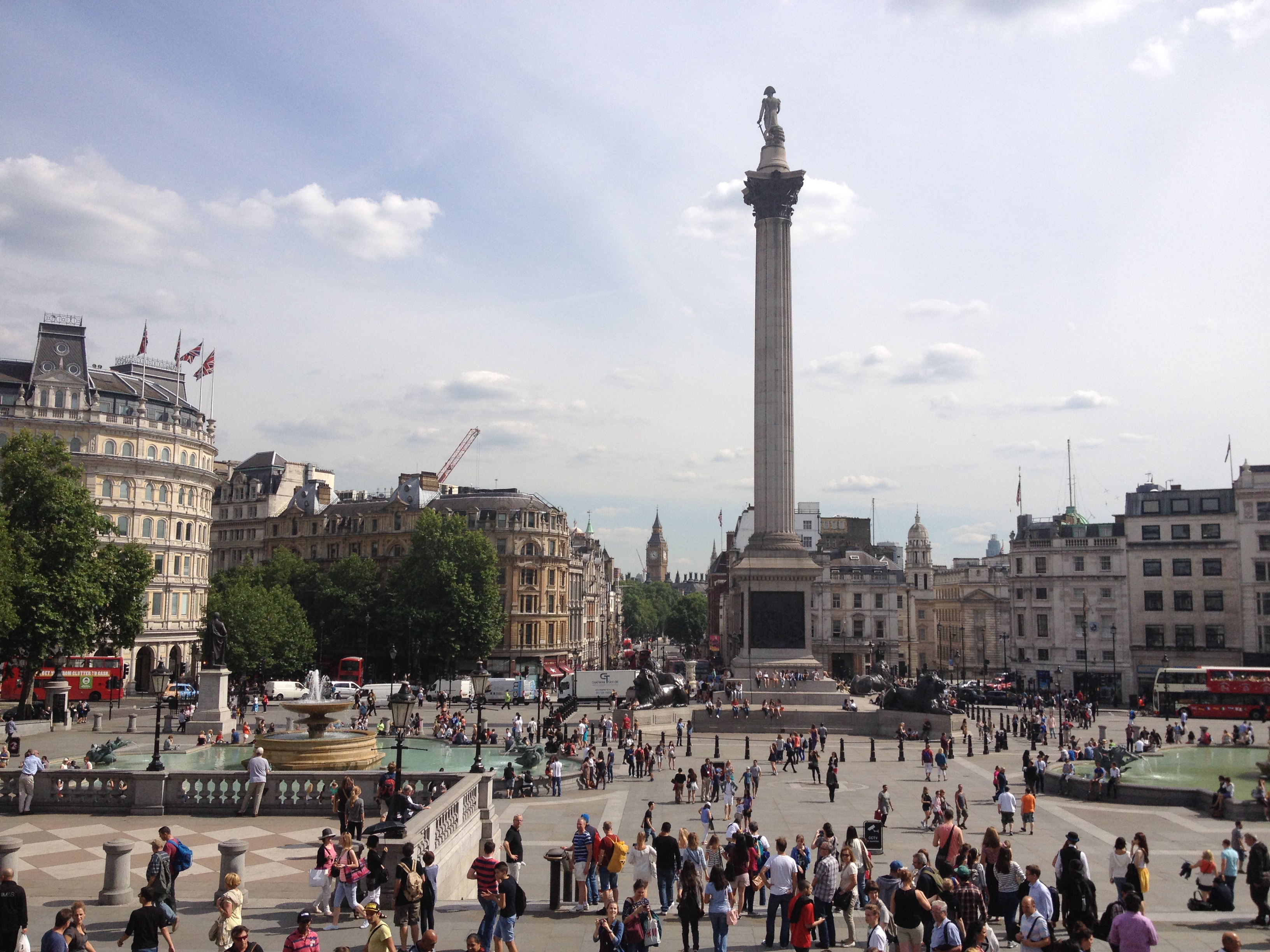
And Trafalgar Square.
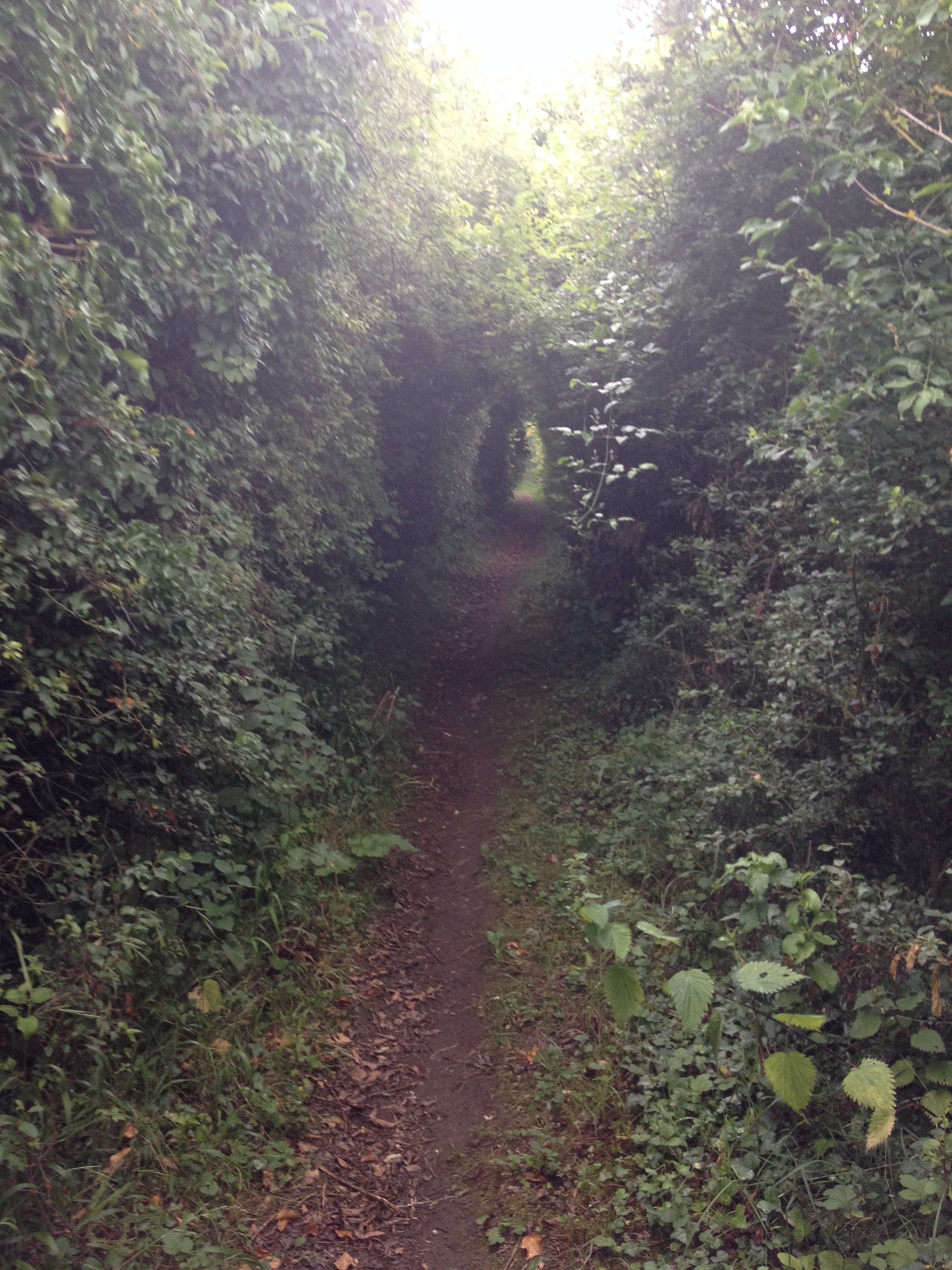
And the lovely countryside near Reading:
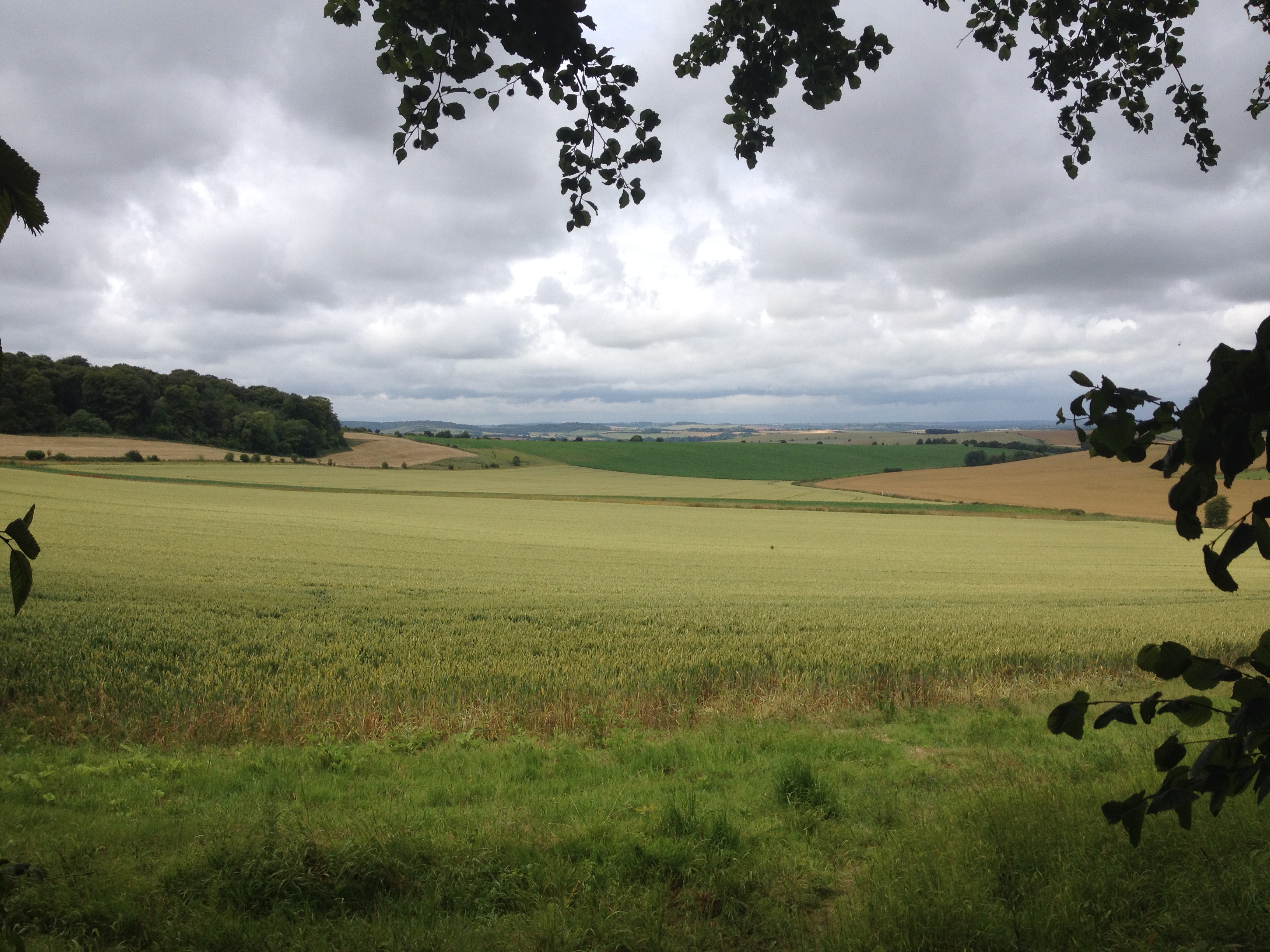
Which is complete with hedgerows.
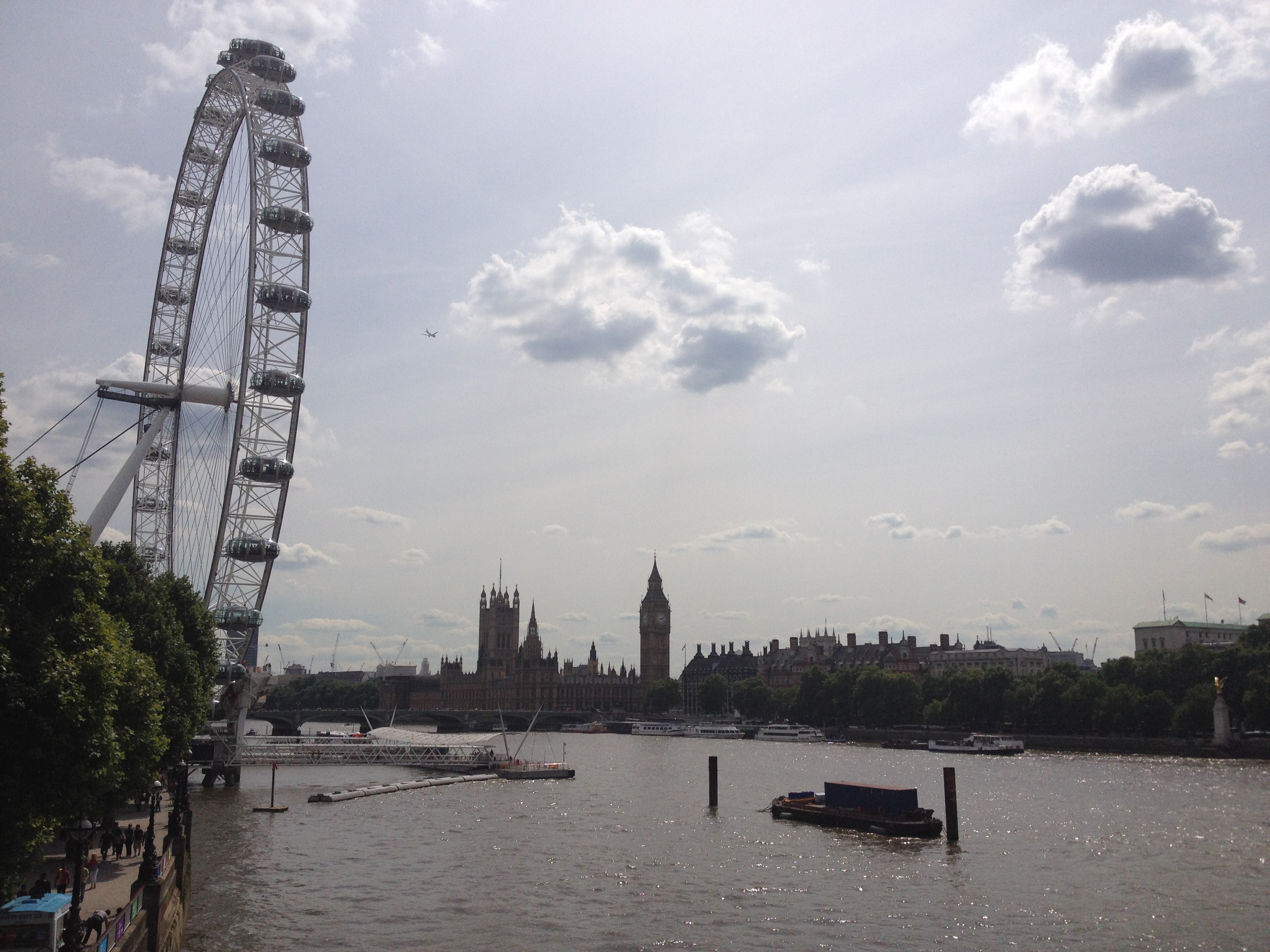
And the Millennium Eye.
I was also fitted for a shirt – in a lovely pale blue Prince of Wales check – at Henry Poole & Co, the anchor of Savile Row. A once-in-a-lifetime treat, and a spectacular one. I went to an AA meeting which was exactly like AA meetings at home except for the accent. A wonderful working vacation.
Strange Compulsions.
I’m a huge fan of international soccer, and I’m thrilled today that the USA has advanced into the knockout stages, probably to play Belgium. A fine squad, and formidable challenge. We’ll have our work cut out for us. I hope we stand tall, win or lose, and acquit ourselves well.
Today I wanted to write a little bit about Luis Suarez. The footballer for Uruguay, one of the greatest living players. Who also bites his opponents from time to time. It’s baffling and inexplicable. Especially his bite against Italy; there was no fight, no scuffle. No apparent war-of-words. He simply, late in the game, zeroed in on an Italian player and lunged, biting his shoulder.
I feel sorry for Suarez. Someone who, as an adult, habitually bites other adults (this is the third offense in his professional career) is clearly suffering from some sort of strange instability. What kind, of course, I can’t possibly know. But biting is especially a strange offense. It seems bestial and juvenile at the same time. Adults don’t fight like that. And Suarez wasn’t even fighting. He seems to simply have had some red rage descend and lost his clarity. Biting unaccountably.
But I understand strange compulsions. I’m a person well-acquainted with the inability to exercise appropriate, mature control. I drank when I shouldn’t have. I drank too much when it was acceptable to drink some. I did things when I drank that I knew were wrong, and I did things when I was sober that I knew were wrong in order to be able to drink in peace. I am a person who cut myself and bruised myself intentionally for no reason that I have ever come to truly understand deeply.
I’m not intending to say that this gives me any insight into what makes Suarez do what he does. It doesn’t. I’m as baffled and perplexed as anyone. But I understand doing things I know are wrong. I understand lashing out in strange ways. I understand the actions that seem to take themselves, and me along with them, rather than arising of any kind of personal agency. And so I feel sorry for Luis Suarez. Because I know how difficult it was for me to overcome that strange compulsive behavior.
But no matter what pity I feel for him, I am pleased that FIFA has banned him from the World Cup. People who cannot control their behavior, no matter what the underlying pathology, are appropriately excluded from interacting with others in environments where they’ve proven to be disruptive. Sometimes, that exclusion is the catalyst to change. I know that it has been for many of the alcoholics and addicts that I’ve known and worked with. Whether it will stir contemplation in Suarez remains, of course, unknown.
I believe that people driven to behave as Suarez has are suffering. I believe that there is usually relief for them. But it requires seeking relief. It requires believing relief exists. And it requires willingness to see ourselves as the source of our trouble, rather than externalizing our difficulties. I hope that Suarez finds that willingness.
Running Again.
Well, now I’ve done it. I’ve signed up to run a second half-marathon, this time in Philadelphia. My time in Pittsburgh was 2:38. I wrote that I’m estimating I’ll make it in at 2:25 in Philadelphia. I have no idea if that’s reasonable or ambitious or even if I should think about time. My only goal is to finish, and stay injury free. And of course, my real design is to be fit, and stay non-diabetic.
I’ve been doing well on the weight/fitness side of things. Turns out that soul-crushing anxiety is good for my waistline. All the problems with the house I bought are ruining my appetite. I’m heating healthy, but I’m not eating much. I’m down just below 180 in the mornings now (though I think my scale reads a little light). And that’s great by me. Hell, I’d love to be 160 and need another whole new wardrobe.
In any case, I’m going to go run another goddamned half a marathon, and that’s probably a good thing. I didn’t really train the way you’re “supposed to” for the last one. I just did a lot of walking, a lot of hiking around Asia carrying a 40 lbs pack, and a bunch of short runs and a couple of slightly longer ones as the race approached. That got me to the point where I could jog 13.1 miles without stopping and only mildly injure my left foot.
As before, my partner is going to run with me. And my sponsor might just make the trip as well. My sponsor in St. Louis was a bicyclist, riding 100,000 miles in about 30 years. My sponsor here in ECC is a runner and cyclist. He’s a few years older than me, but he’s faster than me, and fitter than me. But there’s no competition. I’m on my own path, and I like the path I’m on. It feels healthy. Physically, emotionally, and spiritually, I feel healthy right now. Even when I’m facing all this anxiety.
I leave for London Sunday, where I’m going to go to a meeting with furtheron, and seeing a couple of dear old friends in Reading, and hopefully meeting up with @babyattachmode in Cambridge. It’s thrilling and exciting and I’m in a good place. Even if I can think myself into a bad place. All this wonder is enchanting, and I am enchanted to be here.
Managing Nostalgia.
In just less than two weeks, I’m on my way to London. I love London. It’s one of the world cities I’ve actually seen sober, as a teenager, and because I have friends who lived there and took me around during the day when I legitimately intended to do more than just drink. It’s been about 10 years since I visited, but I recall the city well and look forward to going back. I’ll be working for three days, and on vacation for three. I’m even planning to go get a shirt made on Savile Row, which is a superbly exciting prospect for me.
But let’s also not kid ourselves. I’ve spent a lot of time in London drunk too. I love English beer. I love that it’s served at cellar temperature instead of the ice-cold flavor repression temperature that Americans drink it at. I love the pub culture where you can meet strangers and have conversations. And it’s going to be World Cup time still, and I’m staying in a tiny, crappy college dorm. I doubt there will be television in my room, or even wifi. If I want to watch the matches, it’ll be out. And football in an English pub and a couple (or more) Imperial pints go quite well together.
And I miss those things. But I’ve done them. I was in England during Euro96. I’ve been drunk and obnoxious on English streets. I remember the way I was as the way I choose to remember it. I remember the good parts of the night. Not the stumbling home, lost, drunk, stupid. I smoked cigarettes by the dozens and guzzled lagers and generally made the finest sort of ass of myself I could. That was who I was. That’s who I still am. At least, it wouldn’t take me long to get there if I chose again to drink.
But it’s alright for me to remember things how I want to. It’s alright for me to miss the beer. One of our promises, in Alcoholics Anonymous is that we will not regret the past, nor wish to shut the door on it. And that’s come true – mostly – for me. I don’t regret my drinking life. It had consequences, but those experiences have helped to shape who I am now. And for the most part, I like who I am now. I have deep flaws. I have important things to learn still. And I know how to learn from my experience.
My experience with drinking has taught me something important: I cannot drink and also do any other thing. Not anymore. If I choose to drink, it will become the only thing I do. Very rapidly. And because I have abandoned myself to my alcoholism, because I have accepted that I cannot win a battle with drink, I have also become unbound from the bottle. Because I cannot control my drinking, I need not drink.
But I can remember. I had that experience. My drinking life was not all bad, and I don’t need to pretend it was in order to leave it behind me. It is not dangerous to me to allow myself to fondly recall the flavor of a well-pulled pint at the Red Dragon in Egham. But I am free from that now. My compulsion has been quelled. My life, once narrow enough to slip entirely into a bottle, has widened and spread into a full, breathing thing.
My life is a rich place, today. I have alcoholism, in part, to thank for that. The past is sometimes fearsome, sometimes lonely, sometimes sad, and sometimes inviting. But it is the past. Today I live in this strange present tense. Here I am. Sober. Free.


